
Choosing Help
A “Credit Repair Letter Pack” From the Internet Made Things Worse
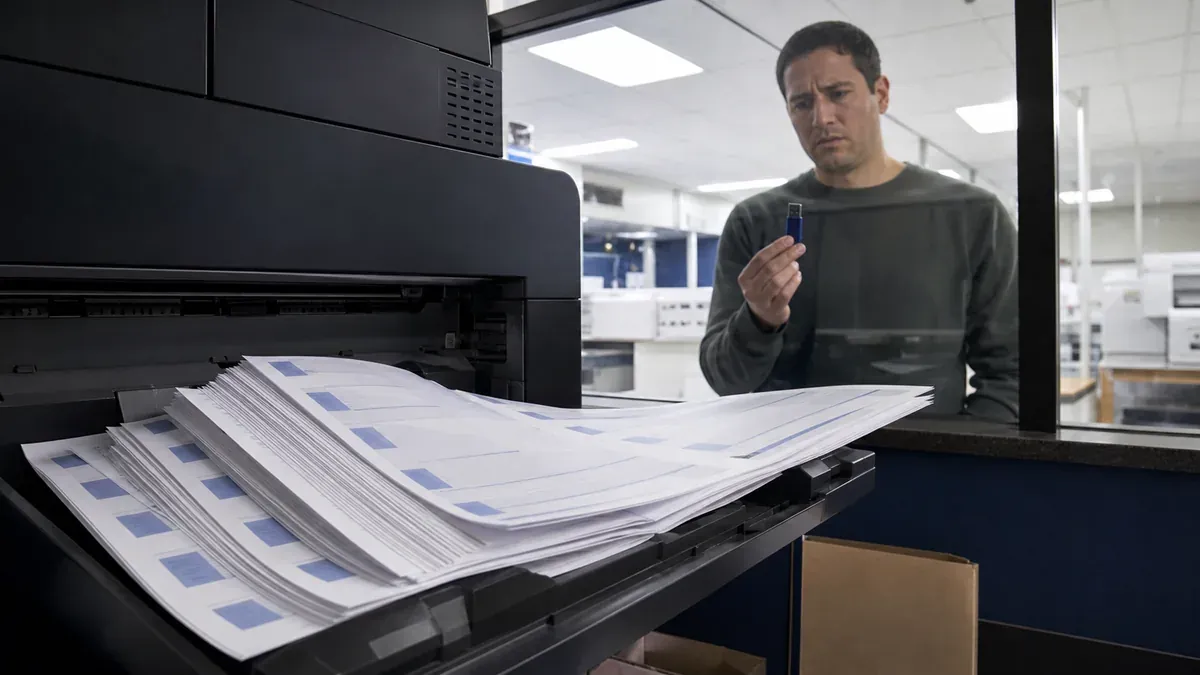
The letter pack cost twenty-nine dollars and promised everything.
Fill in your name, print, mail to all three bureaus, watch items disappear. There was a testimonial section. There was a sample letter citing a statute in bold type.
You sent eleven disputes in one weekend.
What came back was not deletions. It was a set of near-identical responses, a note about frivolous submissions, and a file that now looked like somebody trying to game it rather than somebody with a legitimate problem.
If that scene is familiar, you’re in the part of this nobody writes about. This is where credit repair letter templates risky stops being something you searched and becomes a decision somebody else is making about your life.
We hear this one constantly from diy credit repairers. The details change, the shape almost never does.
Why this industry earned its reputation
Credit repair attracts bad actors for a structural reason: the customers are stressed, the subject is confusing, and the results are hard for a layperson to evaluate in real time.
So the market fills with confident promises. Guaranteed scores, secret statutes, deletion in thirty days. The confidence is the product, and by the time you can tell it didn’t work, the money is gone.
The legitimate version of this work is less exciting to advertise. It is analysis, documentation, follow-through, and honest triage about what won’t move.
Why dispute-everything backfires
Mass disputes get processed as a batch. When a bureau receives eleven identical letters from one consumer in a week, the pattern itself becomes the story, and submissions can be deemed frivolous and dismissed with no investigation.
You also burn something you can’t get back: credibility on the specific item that actually was wrong, now buried among ten that were not.
The alternative is slower and works better. Pick the items that are genuinely inaccurate, state exactly which field is wrong, attach evidence, and send them individually.
How a dispute actually works
A dispute is not a complaint email. You’re formally telling a credit reporting agency that specific information is inaccurate, incomplete, or unverifiable, and the agency generally has 30 days to investigate and respond.
Behind the scenes, the bureau contacts the furnisher, the bank, lender, or collection agency that reported the item. The furnisher checks its records and reports back. If it can’t verify the information, the item should be corrected or removed.
This is why the quality of your submission matters more than the volume. A dispute that names the exact field that’s wrong, states what the correct information is, and attaches proof gives the furnisher something specific to fail at verifying. A generic “not mine” gives them something easy to rubber-stamp.
Questions to ask a credit repair company
A few direct questions can expose important red flags before you sign an agreement or share sensitive records.
- Ask what they can’t do. A straight answer here is the single best signal available.
- Ask whether they charge before performing services, which the Credit Repair Organizations Act prohibits.
- Ask for the written contract and the statement of consumer rights before you decide, not after.
- Ask what they’ll send you: copies of disputes, copies of responses, or just a monthly summary.
- Ask how they handle accurate negatives, and listen for whether the answer involves disputing them anyway.
- Compare it to the free path, honestly. If they won’t describe the DIY option, they’re hiding your alternatives.
Not every negative item is the same kind of problem
People describe their credit as bad, as though it were one condition. It almost never is. It’s a stack of separate problems with separate solutions, and treating them as one blob is why progress stalls.
Some of what’s on your report shouldn’t be there at all, and the law is on your side about it. Some of it belongs there and is going to sit there while it ages out. Some of it is not a report problem at all, it’s a this-month problem, like a card sitting at ninety percent.
Write the list out on paper and put a letter next to each line: W for wrong, T for true, N for now. The Ws get challenged, the Ts get outlasted, the Ns get fixed before your next statement closes.
That short exercise turns a long report into a documented list that is easier to review and act on.
Documentation is what separates a dispute from a wish
Nearly every dispute that succeeds does so because someone attached the right paper. A payoff letter. A billing statement with the correct balance. A lease showing you lived elsewhere. A police report. An identity document with your exact legal name.
Start a folder the day you notice a problem and keep everything in it: dated copies of what you sent, what came back, envelopes, reference numbers, and notes from any phone call including who you spoke to.
Send anything critical in a way that creates a record. If a furnisher later claims it never received your evidence, the difference between winning and starting over is usually a delivery receipt.
When it makes sense to bring in help
You can do all of this yourself, for free, and some people should. If you have one clear error and the energy to follow it through, a well-documented dispute you send personally works as well as one anybody else sends.
Help becomes worth paying for when the volume is unmanageable, when the responses have stopped making sense, when the same item keeps coming back after being removed, or when there is a deadline and you can’t afford to learn on the job.
The honest test isn’t whether professional help is required. It is whether the thing has been sitting untouched for months because the process is exhausting — because an unstarted plan improves nothing.
Urgency needs a sequence, not a stampede.
What to avoid while this is in motion
This checklist cannot predict a completion date, but it can reduce missed records, unclear requests, and avoidable follow-up.
- Buying on a guaranteed number. The guarantee itself is the disqualifying detail.
- Paying a large upfront fee. Advance fees before services are performed are prohibited for a reason.
- Sending a letter pack you didn’t read. You’re responsible for what goes out under your name, including claims that aren’t true.
- Hiring in a panic. The worst decisions in this category are made within 48 hours of a denial.
What the next 90 days can realistically look like
Weeks 1–2. Reports pulled, items sorted, documentation gathered, and applications paused. Nothing visible changes on your credit yet, and that is normal.
Weeks 3–6. Challenges are out and the investigation clock is running. If utilization was part of the problem, this is where the first real movement usually shows up, because balances report on their own cycle.
Weeks 7–12. Responses arrive. Some items correct, some come back verified and need escalation with better evidence, and the accurate ones start their slow fade behind a run of clean months.
That example spans several reporting cycles, and no particular score result is promised. The point is to build consistent records while correcting specific inaccuracies.
What credit repair can and can’t do here
Credit repair, done ethically, is consumer advocacy around the accuracy and fairness of your file. You have a right to a credit picture that’s fair, accurate, and substantiated, and pursuing that right is legal and ordinary.
Credit repair does not create a new identity or guarantee a score by a certain date. Legitimate work focuses on report accuracy, documentation, follow-up, and the parts of the file the consumer can control.
A useful review separates information that may be inaccurate from accurate history, then assigns documentation or credit-building steps to each item.
The questions that come up on every call
Why would I pay for something I can do myself?
You might not need to. If you have two clear errors and the documents, do it yourself. People hire help for volume, for stalemates with furnishers, and for deadlines they can’t afford to miss.
What should I ask on the first call?
What in my file do you think isn’t challengeable? A company that can’t name anything hasn’t read your report, or isn’t planning to tell you the truth.
Is credit repair legal?
Yes. Pursuing accuracy in your credit file is a right under the FCRA, and credit repair organizations operate under CROA.
The part that matters
You don’t need to become a credit expert. You need to see the machine that’s making decisions about your life, and then work on it in the right order.
If you want a second set of eyes on it, the consultation is free. We’re in Fort Lauderdale, restoration runs $59 a month with monitoring included, and we’ll tell you plainly if repair isn’t the thing your file actually needs.
Start with a free consultation
Bring the denial letter, the deadline, or the item you don’t recognize. We read the file with you and give you an honest answer on what’s worth challenging.


